
Building Resilient Futures ,
through Compassionate Education!
EMPOWERING GANDHI FELLOWSHIP ALUMNI NETWORK
IMPACTALES
OCTOBER 2024



STORIES
STORIES
Stories of Change Makers
Manohar R
Batch 11 Alumnus
Driving Experiential Learning and Sustainable Practices Manohar R, is a skilled Project Management professional with a background in Civil Engineering and a Post Graduate Diploma in Management (PGPM). With over four years of experience, he has contributed significantly to program implementation, volunteer and intern management, logistics, and government liaison, ensuring successful outcomes in various projects.
Currently, Manohar leads marketing and recruitment efforts for the Gandhi Fellowship Program in the Southern Zone, leveraging his coordination and documentation skills to build strong partnerships with academia and stakeholders. His focus on experiential learning in education and sustainable environmental practices aligns with his "Be and Make" mindset, inspiring positive changes within communities.
An avid reader and fitness enthusiast, Manohar is deeply committed to personal growth and mindfulness. His journey reflects a dedication to fostering impactful learning experiences and promoting sustainable development for a better tomorrow.

Vaibhav Kolhe
Batch 12 Alumnus
Driving Educational Transformation and Community Impact, Vaibhav, from Buldhana, Maharashtra, is a committed social development professional with a strong background in community engagement. He completed his Bachelor’s in Social Science from Sant Gadage Baba Amravati University and a Master’s in Social Work, specializing in Medical & Psychiatric Social Work, from Shivaji University, Kolhapur. His early experiences in rural and tribal communities shaped his understanding of their challenges and fueled his passion for social change.
During his time with the Gandhi Fellowship in Begusarai, Bihar, Vaibhav contributed significantly to improving the government education system by facilitating interventions that enhanced school processes and strengthened stakeholder relationships. His fellowship journey honed his skills in facilitation, team management, and effective collaboration with government officials.
Currently, Vaibhav serves as Assistant Manager – National Expansion & Government Relations at Lighthouse Communities Foundation. He is responsible for expanding the Lighthouse project across India, creating sustainable impact by building strategic partnerships with government bodies. His work focuses on ensuring that underserved communities gain access to quality educational and livelihood opportunities, driving systemic changes that empower communities to thrive. His journey reflects his commitment to transforming lives and building a brighter future for marginalized populations.
Satyam Pandey
Batch 14 Alumnus
Championing Holistic Development for Children
Satyam Pandey, is a dedicated social development professional with over four years of experience in the sector.
During his fellowship in the Aspirational District of Karauli, Rajasthan, Satyam worked closely with district officials to improve key developmental indicators. One of his notable contributions was initiating training programs for Anganwadi workers to identify and support children with Moderate and Severe Acute Malnutrition (MAM and SAM).
Currently, Satyam serves as a Program Officer at SRF Foundation, where he designs and executes impactful initiatives on the ground. He manages four programs in Bhopal, Madhya Pradesh, directly working with over 6000 children to ensure their holistic development through vocational education and digital literacy initiatives. Satyam’s experience and passion for child development drive his goal to create meaningful change and ensure that no child is left behind in education.
Aspiring to lead an organization in the future, Satyam is committed to scaling impactful social causes and contributing to the overall development of communities.
Events

Compassion-Driven Transformations


Piramal Foundation Showcases Compassion-Driven Transformations at 5th Annual Juliet E. Shield Symposium
The Piramal Foundation recently participated in the 5th Annual Juliet E. Shield Symposium held at Emory University, USA, organized by the Center for Contemplative Science and Compassion-Based Ethics. The symposium provided an opportunity for the Foundation to present its impactful initiatives in India's education and health sectors, grounded in the principles of compassion and empathy.
Distinguished team members Monal Jayaram (Co-founder and Senior Core Team Member, School of Education & Systems Change), Anshu Dubey (Core Team Member, School of Education & Systems Change), and Kartik Varma (Co-founder and Senior Core Team Member, Piramal School of Health) represented the Foundation at the event. They shared valuable insights into the organization's approach to transforming public systems by fostering compassion and resilience.
One of the central themes presented was the 7-state SEE Learning scale-up, which focuses on integrating compassion-based education to enhance student learning outcomes and build resilience in educational institutions. In addition, the compassionate leadership initiative at Sitamarhi District Hospital was showcased, emphasizing its significance in creating a framework of compassionate care for over 100,000 health workers in Bihar. These initiatives highlight the transformative potential of compassion in reshaping public health and education systems, ultimately nurturing a healthier and more empathetic society.
Speaking at the symposium, Monal Jayaram noted, “The symposium facilitated invaluable exchanges with global leaders and scholars, deepening our understanding of how a systems-thinking approach to compassion can address fundamental challenges in public systems. As we conclude this inspiring event, our team at Piramal Foundation is more motivated than ever to continue our mission of transforming lives through compassion and ‘Sewa Bhaav’.”
The Piramal School of Leadership (PSL), part of the Foundation’s commitment to leadership development through personal transformation, was also highlighted. Designed for middle and senior leaders in the government sector, PSL operates across four specialized schools: School of Education and Systems Change, School of Climate and Sustainability, School of Health, and School of Inclusion. Aligned with national priorities, PSL emphasizes the role of ‘Sewa Bhaav’ and innovation to address complex challenges in public systems. Through rigorous training and strategic partnerships, PSL equips leaders with the tools and insights needed to drive meaningful change.
The event underscored Piramal Foundation's vision of transforming public systems and strengthening communities through compassion, collaboration, and innovation.


BIG BETS
BIG BETS
HIGHLIGHTS
ABC Batch - CONSOLIDATION Workshop


Reflect, Recalibrate, and Reignite: A Transformative Workshop for Batch-16 Fellows
The Aspirational Bharat Collaborative (ABC) recently organized a three-day workshop for Batch-16 Gandhi Fellows, focusing on reflection, personal growth, and career advancement. The workshop aimed to provide fellows with a space to look back on their first year, identify their strengths and areas of improvement, and create a roadmap for their journey ahead.
Day 1: Setting the Stage for Reflection
The workshop kicked off with a warm welcome and congratulations to the fellows for completing their first year in the fellowship program. The morning began with an inspiring assembly led by the fellows, singing Chetna and Baal Geet songs that fostered unity and purpose. Mrs. Anjali guided the fellows through a reflective exercise to assess their understanding of the program’s core concepts and presented an opportunity for them to share their personal journeys, successes, and challenges. A key highlight of the day was the constructive feedback session led by Mr. Shadab Alam and Mr. Chandan Kumar. They offered valuable critiques on the fellows’ presentations, focusing on communication skills and content structure, which helped fellows sharpen their presentation skills. The day ended with an energizing address by Mr. Jainendar Pathak, reinforcing the fellows’ significance to the organization.
Day 2: Deepening Insights and Building Connections
Day 2 continued with a series of fellow presentations, group discussions, and interactive workshops aimed at deepening the fellows’ understanding of their roles and contributions. The feedback from mentors and peers offered a supportive space for improvement and camaraderie. Skill-building activities encouraged critical thinking and strategic planning, helping the fellows align their aspirations with the collaborative’s vision for community impact.
Day 3: Consolidation and Cultural Unity
The final day was dedicated to reviewing the Community Development (CD) and Techno-Managerial Support (TMS) programs with leaders such as Mr. Parimal Jha and Mr. Prabhat, who emphasized the importance of debriefing and physical meetings. The event concluded with a vibrant cultural night, where fellows showcased their diverse backgrounds through songs and dance, leaving everyone with a sense of shared achievement and unity.
BIG BETS
BIG BETS
HIGHLIGHTS
THC Initiatives


Revitalizing Anganwadi Services in Tribal Communities
In the tribal district of Nandurbar, Maharashtra, Gandhi Fellow Pradeep Singh faced a challenge at Ambabari village’s Anganwadi Centre (AWC) No. 1. Beneficiaries, including children and lactating mothers, were taking meals home instead of consuming them at the center, undermining the nutritional intent of the program. Pradeep discovered that a broken tap had halted the water supply, affecting the center’s cleanliness and daily operations. Mobilizing community support, he engaged Anganwadi workers to identify unused water equipment, such as drums and buckets, and restored basic water facilities at the center. His efforts culminated in securing a reliable water source through a nearby private connection, transforming the AWC into a more functional space for the community.
Strengthening Maternal Health through Co-Learning
In the tribal village of Tangla Gaon, Assam, Gandhi Fellow Prachuriya Deori reimagined the conventional Village Health Sanitation and Nutrition Day (VHSND) sessions by introducing co-learning workshops to address maternal health concerns. Partnering with the local Community Health Officer (CHO), Prachuriya facilitated open discussions where pregnant women and lactating mothers shared their experiences. Through these sessions, participants discussed pregnancy-related challenges, such as high-risk cases and family support issues, while the CHO provided practical advice on emergency healthcare resources. The initiative empowered women with essential information and built a supportive community, improving their preparedness for childbirth and fostering a positive healthcare-seeking behavior in the village.
Innovating Early Pregnancy Registrations in Odisha
In Bhejapabli, Koraput district, Odisha, superstitions surrounding pregnancy disclosure delayed early registrations, often leading to health complications. Gandhi Fellow Dolan Dutta tackled this issue by promoting the use of Last Menstrual Period (LMP) calendars as a tool to help women track their cycles. With the support of ASHAs and Anganwadi workers, she organized community meetings to emphasize the importance of early registrations. Involving 20 adolescent girls as peer educators, Dolan’s initiative successfully encouraged two early registrations and spread awareness, paving the way for better maternal health outcomes across the community.
BIG BETS
BIG BETS
HIGHLIGHTS
DBC Stakeholder Meeting and HSI Consolidation


Building Synergies for Transformative Health Outcomes
The Digital Bharat Collaborative (DBC) journey in Mahasamund, Chhattisgarh, began with a crucial Stakeholders’ Meeting held on September 13, 2024. The meeting was attended by the Chief Medical and Health Officer (CMHO), District Program Manager, Block Medical Officers (BMOs), Block Program Managers (BPMs), and Block Data Managers (BDMs) from different blocks, alongside the Gandhi Fellows and Program Leaders. Srijitha, along with the Program Leaders, introduced the Digital Bharat Collaborative (DBC) and its objectives to the participants. Through a well-structured presentation, she outlined the project’s vision for the Mahasamund district and how it aims to digitally strengthen health systems. The discussion that followed enabled stakeholders to clarify their doubts, explore potential collaborations, and understand the Fellows’ role in supporting health initiatives across the district. The meeting concluded with the CMHO and DPM committing their support to the project, marking the beginning of a promising partnership for the health system's digital transformation.
The next phase of the DBC journey was the Health System Immersion (HSI) Consolidation program, conducted over two days from September 14-15, 2024. This intensive consolidation program brought together Fellows from Batches 16 and 17 to reflect on their HSI experience and share insights through engaging activities. The day kicked off with group performances like Bal Geet and Chetna Geet, setting a lively tone for the day. Fellows participated in the ‘Marketplace’ activity, where they creatively showcased their understanding of various health initiatives—ranging from Anganwadi Centers (AWCs) to Primary Health Centers (PHCs)—through presentations and role-plays.
Subsequent sessions featured presentations on health issues like malnutrition and tuberculosis, and challenges faced by communities, such as slum life and plastic consumption by animals.A highlight was the Nukkad Natak, a street play that creatively depicted key community challenges and emphasized the roles of various stakeholders in addressing them. The final day focused on collaborative problem-solving exercises, where Fellows brainstormed solutions for systemic challenges like transportation in healthcare.
This consolidation program not only reinforced the Fellows’ learning but also fostered strong bonds among them, paving the way for a united effort towards digital health transformation in Mahasamund.
BIG BETS
BIG BETS
HIGHLIGHTS
PSL Resilient Futures


Highlighting Innovative Approaches to Resilience and Social Impact Measurement
The School of Education & Systems Change (SOESC) at Piramal Foundation continues to drive transformative initiatives in public systems by building resilience and developing self-agency in students. During the 6th International Conference for Sustainability Education, themed “Safe in School: Integrated Risk Management for Safe Sustainable Schools,” Co-Founder and Director Monal Jayaram discussed the importance of fostering compassion and resilience in children. She emphasized, “Education must build compassion for both living and non-living things, helping children understand the interconnectedness of the world. This perspective encourages students to actively participate in dialogues around building a sustainable future and taking transformative actions for a Viksit Bharat.”
With 15 years of experience in introducing innovative educational models in partnership with state governments, SOESC has been at the forefront of implementing unique programs. Their Centres of Excellence for Social Emotional and Ethical Learning, Aesthetic Literacy, and Project-Based Learning ensure that students are equipped to navigate societal complexities, overcome trauma, and drive social change.
Another significant engagement was at the CII Centre of Excellence for Innovation, Entrepreneurship and Startups (CIES) National Social Tech Startup Summit 2024, where Co-Founder and Director Saurabh Johri addressed the challenge of impact measurement in social investing. Using the example of Gandhi Fellows—more than 100 of whom have embarked on social entrepreneurship across 22 domains—he illustrated how the foundation supports and mentors alumni-founded social enterprises for 8-10 years. Saurabh elaborated on how the foundation measures intangible outcomes through tools like the “Competency Mapping Model” and the MLJP framework, which stands for Meaning, Learning, Joy, and Pride.
These frameworks not only quantify social impact but also provide qualitative insights into the transformative effects of the foundation’s work. With initiatives like these, Piramal Foundation remains dedicated to creating a sustainable future through resilience-building and impact-driven leadership development.
BIG BETS
BIG BETS
HIGHLIGHTS
Karuna Fellowship Initiatives


Empowering Communities through Technology and Nutrition Initiatives
Introducing the “Read Along” App: Enhancing Learning in Gomghar Village, Maharashtra
Karuna Fellow Vaishali Shingade’s visit to Gomghar village marked the beginning of a transformative journey for local families. During her interaction with Omkar Gare, an MSCB employee eager to see his children excel in English, she introduced the “Read Along” app—a tool designed to support children’s education through interactive learning. Vaishali guided Omkar and the women of Gomghar in downloading and using the app, demonstrating its benefits and involving his young daughter, Rutika, in the learning process. The introduction of this app not only enabled Rutika to improve her language skills but also motivated other families in the village to embrace digital learning, resulting in noticeable academic progress for the children. This initiative highlights the power of technology in bridging educational gaps and creating opportunities for children in underserved communities.
Sampoornata Abhiyan: Advancing Holistic Nutrition in Lariyapada Village, Odisha
In celebration of Nutrition Week, Karuna Fellow K. Rolaksi and Gandhi Fellow Jyoti Pardhi, in collaboration with ICDS workers, organized the Sampoornata Abhiyan program in Lariyapada Village, Pandrawan GP. The event brought together 138 community members, including pregnant women, adolescent girls, and local stakeholders, to promote the importance of nutrition through activities such as the Poshtik Aahar Mela (Nutritious Food Fair) and a vibrant nutrition rally. Key discussions on establishing kitchen gardens and enhancing maternal and child health were led by the ABDO, who lauded the collaborative effort. The initiative, widely recognized at the block and district levels, sparked meaningful conversations about the significance of nutrition and inspired the community to adopt healthier practices for a brighter future.
Implementing the GRA App for Child Development and Education in Pimpalgaon, Maharashtra
The Karuna Fellowship is making strides in education through the introduction of the GRA app at Pimpalgaon’s Anganwadi and school. During the visit, the Karuna Fellow engaged with children and created 10 child profiles using the app. She also provided an orientation to the Headmaster and teachers, demonstrating how the GRA app could support better resource allocation and learning outcomes. The initiative was well-received by the school staff, who appreciated its potential to enhance student learning and development. These stories exemplify the positive impact Karuna Fellows are making by introducing innovative solutions and fostering collaboration within communities to drive sustainable change.

NEST
PROGRAMS
NEST PROGRAMS
Knowledge Development Centre sessions
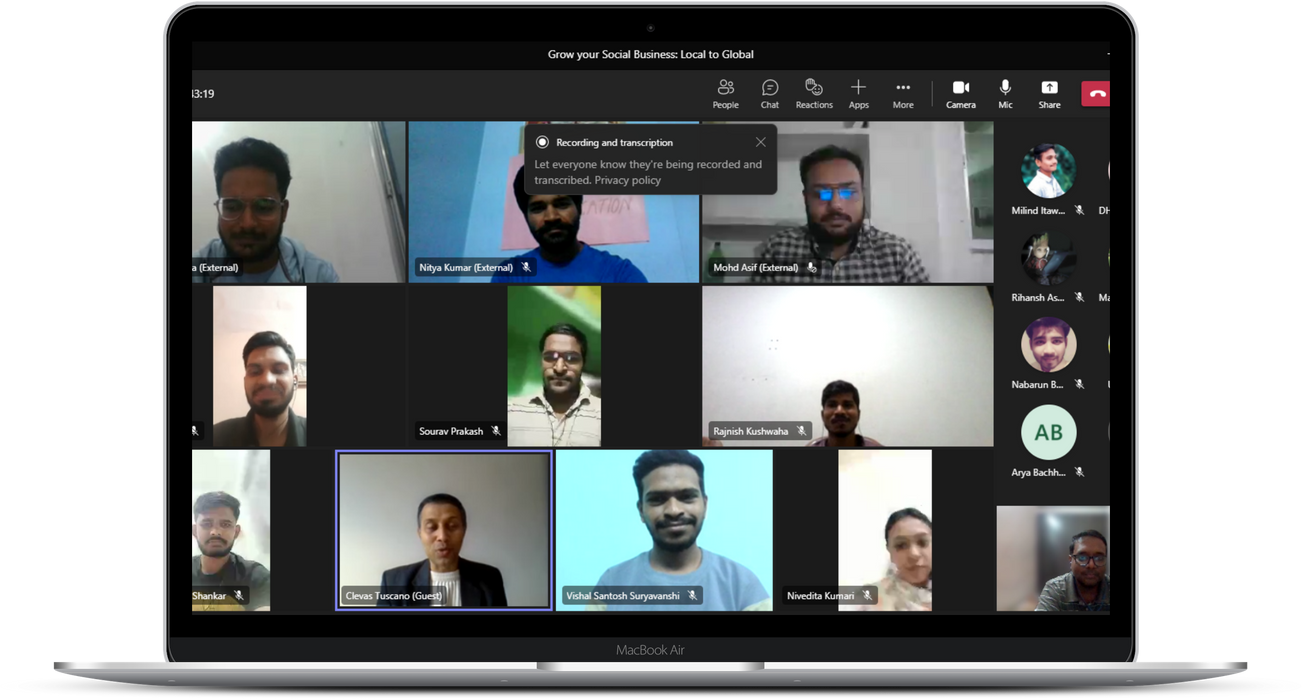
The goal of Knowledge Development Centre sessions is to advance the learning of alumni and fellows.
Weekly involvement in the sessions was above 125+ on an average.
For more details on how to virtually join the session every Friday from 5 to 6 PM, keep checking the NEST page.
Access the recorded sessions here.

This session explored the synergy between social impact and business enterprise, highlighting sustainable growth strategies.
No. of participants - 42

This session explored various organizational structures and innovative business models to promote transformative development and impact.
No. of participants - 75
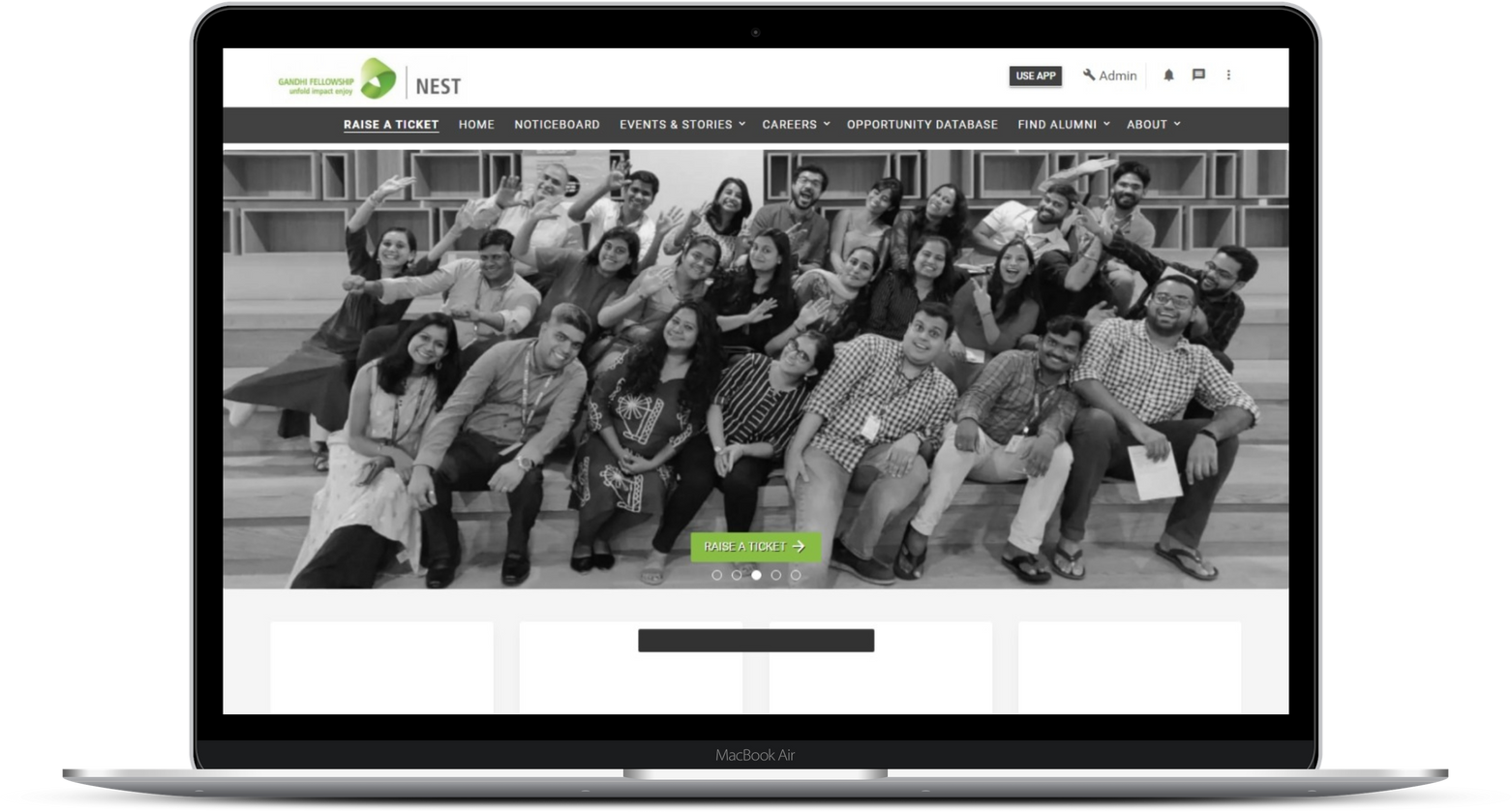
Participate in our scrapbook activity!
We are collecting Fellowship Moments and we want to know how you made the most out of your journey.
Let your memories serve as an inspiration to the current cohort
Create your legacy
- Photos are the best way to convey emotions
- Upload your photos based on the cohort you belonged to.
- NEST will review and approve the photos that comply to the community's rules
Alumni are invited to share articles, research papers, and creative presentations for the Newsletter. For any suggestions and feedback, please write to us at
alumni@gandhifellowship.org
Click the icons below to know more about NEST & Join the conversation on social media:


